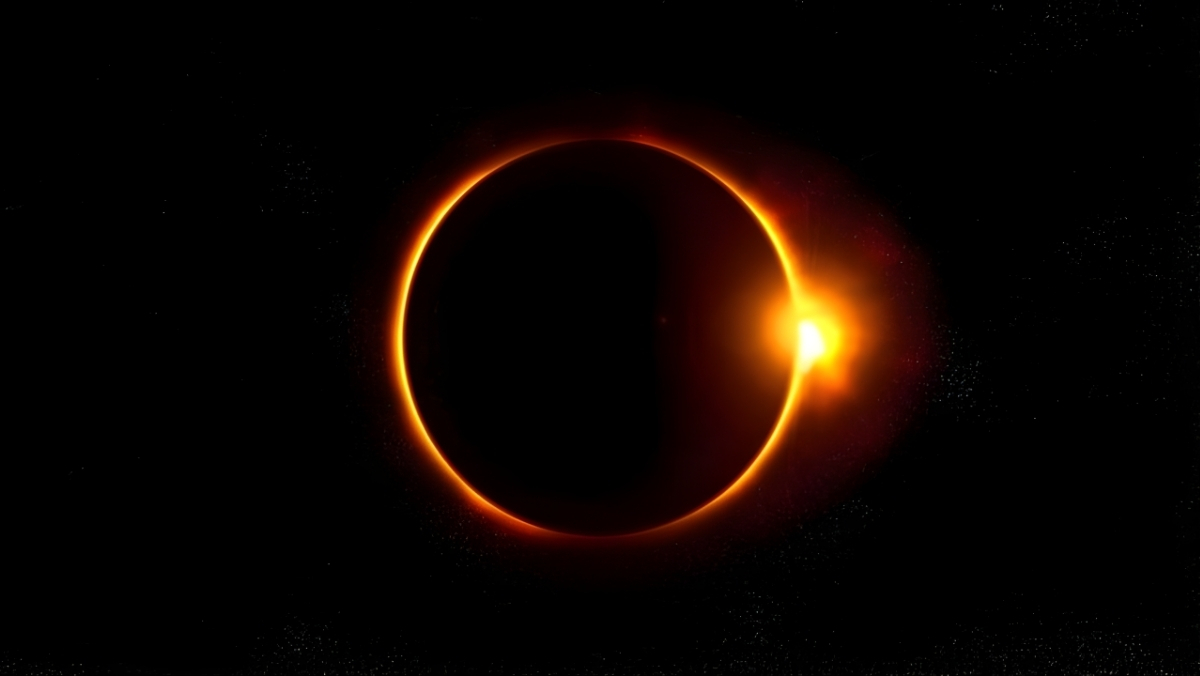
As the sun slowly slips behind the moon, a hush falls over the crowd. For the first time in over a century, day will turn to night in a spectacular celestial event that has captured the imagination of people around the globe. The longest solar eclipse of the 21st century has an official date, and experts are buzzing with excitement over its remarkable duration and unprecedented visibility.
This is no ordinary eclipse – it’s a rare and mesmerizing phenomenon that will plunge vast regions into an eerie twilight, leaving onlookers in awe of the power and mystery of the cosmos. The world is holding its breath, eagerly anticipating the moment when the moon’s silhouette will completely block the sun, transforming the landscape and igniting a sense of wonder that transcends time and space.
From seasoned astronomers to casual stargazers, everyone is talking about this celestial spectacle, and the anticipation is palpable. As the countdown to the big event begins, let’s delve into the fascinating details that make this eclipse so truly extraordinary.
An Unprecedented Path Spanning Two Continents
This solar eclipse is not just any ordinary celestial event – it’s a truly remarkable phenomenon that will captivate the world. Unlike most eclipses, which are visible only to a limited geographic area, this one will trace a path across both North America and South America, offering a rare and breathtaking sight to millions of people.
The moon’s shadow will first make landfall in the Pacific Ocean, casting its eerie glow over the waters before sweeping across the northwestern United States and Canada. From there, it will continue its journey southward, blanketing parts of Mexico, Central America, and the entire South American continent in a cloak of darkness.
This extraordinary path, spanning two continents, is what sets this eclipse apart from its predecessors. Experts are thrilled at the prospect of observing this event from such a vast and diverse range of locations, each offering a unique perspective on the spectacle unfolding above.
Duration That Defies Expectation
But the true marvel of this eclipse lies not just in its geographic reach, but in its sheer duration. For a staggering 2 minutes and 40 seconds, the moon will completely obscure the sun, plunging the world into an eerie and captivating twilight.
This extended period of totality, when the sun is fully blocked by the moon, is unprecedented in the 21st century. Most solar eclipses barely last a minute or two, leaving onlookers with only a fleeting glimpse of the celestial dance. This eclipse, however, will offer a rare and prolonged opportunity for scientists and enthusiasts alike to study the sun’s corona, the outer atmosphere that is typically obscured by the sun’s brilliant light.
Experts are eagerly anticipating the wealth of data and insights that this extended eclipse will provide, furthering our understanding of the sun’s behavior and the complex interplay between our star and the moon that orbits it.
Global Excitement and Tourism Implications
As word of this remarkable eclipse has spread, the global excitement has reached a fever pitch. People from all walks of life are making plans to witness this once-in-a-lifetime event, fueling a surge in tourism and a flurry of activity across the regions in the path of the eclipse.
Also Read: Widow Breaks Down After Husband’s Secret is Revealed in Will—“How Could He Do This?”
Country
Estimated Eclipse Viewers
United States
Millions
Mexico
Hundreds of Thousands
Brazil
Millions
Chile
Hundreds of Thousands
Hotels, restaurants, and transportation services in the affected areas are already reporting a surge in bookings, as people from around the world scramble to secure the best vantage points to witness this celestial spectacle. The economic implications of this event are significant, with experts predicting a boost in tourism and a surge in scientific and educational opportunities.
But the true impact of this eclipse goes beyond the financial – it’s a moment of collective wonder and awe, a shared experience that has the power to unite people across borders and cultures, all captivated by the beauty and mystery of the natural world.
What Makes This Eclipse Scientifically Valuable
While the sheer visual splendor of this eclipse is undoubtedly captivating, its scientific value is equally remarkable. The extended duration of totality, combined with the eclipse’s unprecedented path, presents a unique opportunity for researchers and scientists to study the sun and its interactions with the Earth in ways that have never been possible before.
Key Scientific Observations
Potential Insights
Detailed study of the sun’s corona
Understanding the sun’s magnetic field and solar activity
Observation of the solar chromosphere
Insights into the sun’s atmosphere and its role in space weather
Measurement of the sun’s diameter and shape
Refining our understanding of the sun’s structure and evolution
Analysis of solar prominences and flares
Predicting and mitigating the impact of solar activity on Earth
With an unprecedented window of observation, scientists are eager to gather data that will shed new light on the sun’s behavior, its influence on our planet, and the complex interactions between the Earth and its celestial companion. This eclipse promises to be a transformative event for our understanding of the cosmos and our place within it.
Preparation and Safety Considerations
As excitement builds around this historic eclipse, experts are also emphasizing the importance of proper preparation and safety measures. Viewing an eclipse, especially one of this magnitude, requires special precautions to protect the eyes and ensure a safe and enjoyable experience.
“This eclipse is not something to be taken lightly. Proper eye protection is essential, as even a brief glimpse of the sun during totality can cause permanent damage. We encourage everyone in the path of the eclipse to invest in approved solar glasses and to follow the guidance of local authorities and astronomers.”
– Dr. Sarah Winton, Astrophysicist at the National Astronomical Observatory
In addition to eye safety, experts are also emphasizing the need for thorough planning and preparation, particularly for those traveling to remote or rural areas to witness the eclipse. Overcrowding, traffic congestion, and limited resources in these regions can present significant challenges, underscoring the importance of advanced booking and coordination with local communities.
“This eclipse is going to draw an unprecedented number of people to the regions in its path. Local communities are working hard to ensure that everyone can enjoy the event safely and comfortably, but visitors need to be proactive in their planning and be mindful of the potential challenges they may face.”
– Maria Gonzalez, Director of the Chilean National Tourism Office
Also Read: Celestial Wonder: The Historic Solar Eclipse Plunging Half the Earth Into Night
Historical Context and Human Wonder
As we stand on the cusp of this extraordinary celestial event, it’s important to recognize the deep historical significance and the enduring human fascination with solar eclipses. These rare and captivating moments have long captured the imagination of people across cultures, inspiring awe, wonder, and a profound sense of connection to the natural world.
“Solar eclipses have been a source of fascination and mystery for millennia, sparking the curiosity of philosophers, astronomers, and everyday people alike. They are a reminder of our place in the grand cosmic dance, and of the power and beauty that lies beyond our immediate understanding.”
Indeed, the anticipation and excitement surrounding this eclipse are a testament to the enduring human desire to understand and connect with the celestial phenomena that shape our world. As the moon casts its shadow over the Earth, we are reminded of the fragility and wonder of our existence, and the profound ways in which we are all connected to the cosmos.
Whether you are a seasoned astronomer or a casual observer, this eclipse promises to be a truly transformative experience, one that will linger in the collective memory of humanity for generations to come.
Frequently Asked Questions
When will the eclipse take place?
The longest solar eclipse of the 21st century is scheduled to occur on July 2, 2023.
Where will the eclipse be visible?
The eclipse’s path of totality will span across North America and South America, with prime viewing locations in the United States, Mexico, Central America, and South America.
How long will the eclipse last?
The eclipse will last an unprecedented 2 minutes and 40 seconds, with the moon completely blocking the sun for the majority of that time.
Also Read: Celestial Wonder: The Historic Solar Eclipse Plunging Half the Earth Into Night
Is it safe to look at the eclipse with the naked eye?
No, it is never safe to look directly at the sun, even during an eclipse. Proper eye protection, such as certified solar glasses, is required to view the eclipse safely.
How can I prepare for the eclipse?
Plan your travel and accommodations well in advance, invest in appropriate eye protection, and familiarize yourself with the eclipse’s path and timing to ensure the best viewing experience.
What scientific observations will be made during the eclipse?
Researchers will study the sun’s corona, chromosphere, and prominences, as well as measure the sun’s diameter and shape, in an effort to deepen our understanding of the sun’s behavior and its influence on Earth.
How will this eclipse impact tourism and the local economy?
The eclipse is expected to draw millions of visitors to the regions in its path, boosting tourism, economic activity, and scientific and educational opportunities in the affected areas.
What is the historical significance of this eclipse?
Solar eclipses have captivated humanity for centuries, and this event is poised to be one of the most remarkable and longest-lasting eclipses of the 21st century, continuing our age-old fascination with the wonders of the cosmos.
Celestial Wonder: The Historic Solar Eclipse Plunging Half the Earth Into Night
Widow Breaks Down After Husband’s Secret is Revealed in Will—“How Could He Do This?”